
We Love to Hate
Hot takes are on fire

Photo by Sarolta Balog-Major on Unsplash
Last week on Substack, I read an article about how the romance genre has changed for the worse and it’s essentially all smut now. Not surprisingly, it generated pushback and discussion. Then, I read another article about how Brandon Sanderson has sold out, forgotten his base, and his newest work isn’t even good writing. And now the floodgates of negative opinions on Taylor Swift’s new album have opened. (I’m setting aside the many essays about Elizabeth Gilbert’s newest memoir because most of those discussions center around the ethics of her decisions rather than the quality of writing).
I had a few thoughts after running across this series of negative takes. My first cynical thought was that nothing generates more views than negativity, especially if you preface it with “I know this is a hot take…” In the same way that insults stay in our mind much longer than compliments, negative reviews are more likely to bring out responses, both agreeing and disagreeing, than a positive review.
Close to 25 years ago, I picked up the first Harry Potter book ready to really hate it. I have a natural tendency to dislike things are viral level popular. This was before the first movie came out, before Universal Studios, and most importantly, before JK Rowling was on Twitter. It turned out, I really loved the books and picked up new titles in bookstores at midnight as they were released. Being able to look down at Harry Potter fans didn’t work out quite as planned.
Probably the biggest change in myself since becoming a librarian is how much less judgmental I’ve become about what people read. I remember saying to one of my kids as a much younger parent, “No, you can’t check out only graphic novels. You need to read some real books, too.” Now I will happily talk your ear off about the many benefits that graphic novels and graphic nonfiction have. Audiobooks and Ebooks? Why are we even questioning if they’re real books? All the words are the same. The lack of paper doesn’t change the story.
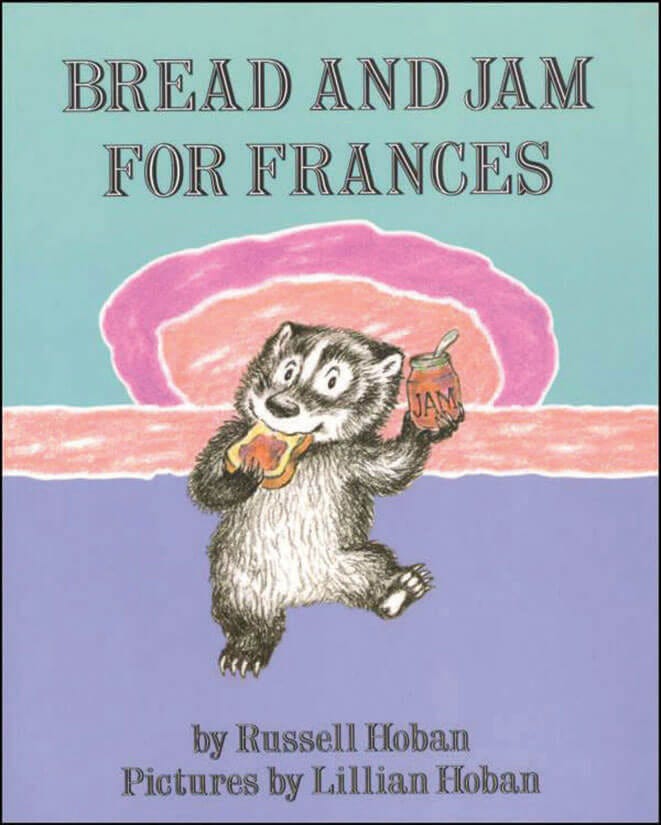
I still endorse having a varied literary diet, but if you, like Francis in Bread and Jam for Francis, prefer to always have the same thing because you know what you’ll get and you know you’ll like it, then good for you. I understand this type of reader better now because there was a time during the pandemic when I couldn’t read at all. When I began to read again, I could only consume the fluffiest of books. No big vocabulary words, no scathing commentary on society, nothing that required a lot of contemplation. I wanted to escape to a guaranteed happy ending.
So, if some guy wants to check out yet another band-of-brothers military novel or a woman has an armload of Amish romances, what’s wrong with that? I went through a Georgette Heyer (the original Regency romance genre author) phase a few years ago. I remember thinking that she essentially had a bingo card of tropes that she used in different combinations with each book. Georgette Heyer felt more posh than fluffy and formulaic to me. Formulaic is used as an insult, but I’ve come to admire the skill required to books that have set marks to hit but need to still feel fresh. Look at mystery writers like Sue Grafton or Donna Andrews, writing dozens of murder mysteries that satisfy a large fan base.
Last year, I read Today, Tonight, Tomorrow by Rachel Lynn Solomon. The main character, a high school senior named Rowan, loves romance novels and hopes to become a romance author herself. The problem is, she keeps this interest a secret because her parents and teachers look down on them.
“Most of the world takes any opportunity to belittle this thing that centers women in a way most other media doesn’t. Romance novels are a punch line, despite being a million-dollar industry.”
Ouch, guilty as charged. If something is popular, particularly popular with women, that automatically makes it low brow. Writing a scathing critique is a way to separate ourselves from that. (Kudos to Rachel Lynn Solomon for writing a male lead who has red hair, brown eyes, and the same height as Rowan).
I’m not into romance novels, Taylor Swift, or Brandon Sanderson. Just because they aren’t to my taste doesn’t mean they’re not good. I will happily discuss what I think makes an individual book not well written but I doubt an entire genre is poorly written. Maybe Brandon Sanderson’s writing style has changed and some of his fans don’t care for it anymore. People feel the same way about Stephen King or any other prolific author.
My librarian take, which will never go viral, is this: If someone enjoys a book/genre/musician, let them enjoy it. If you don’t like what you’re reading or listening to, you have my permission to put it down and move on to something else. No hot take essays required.