
Yes, Audiobooks Count
And why the wait is so long for them at the library
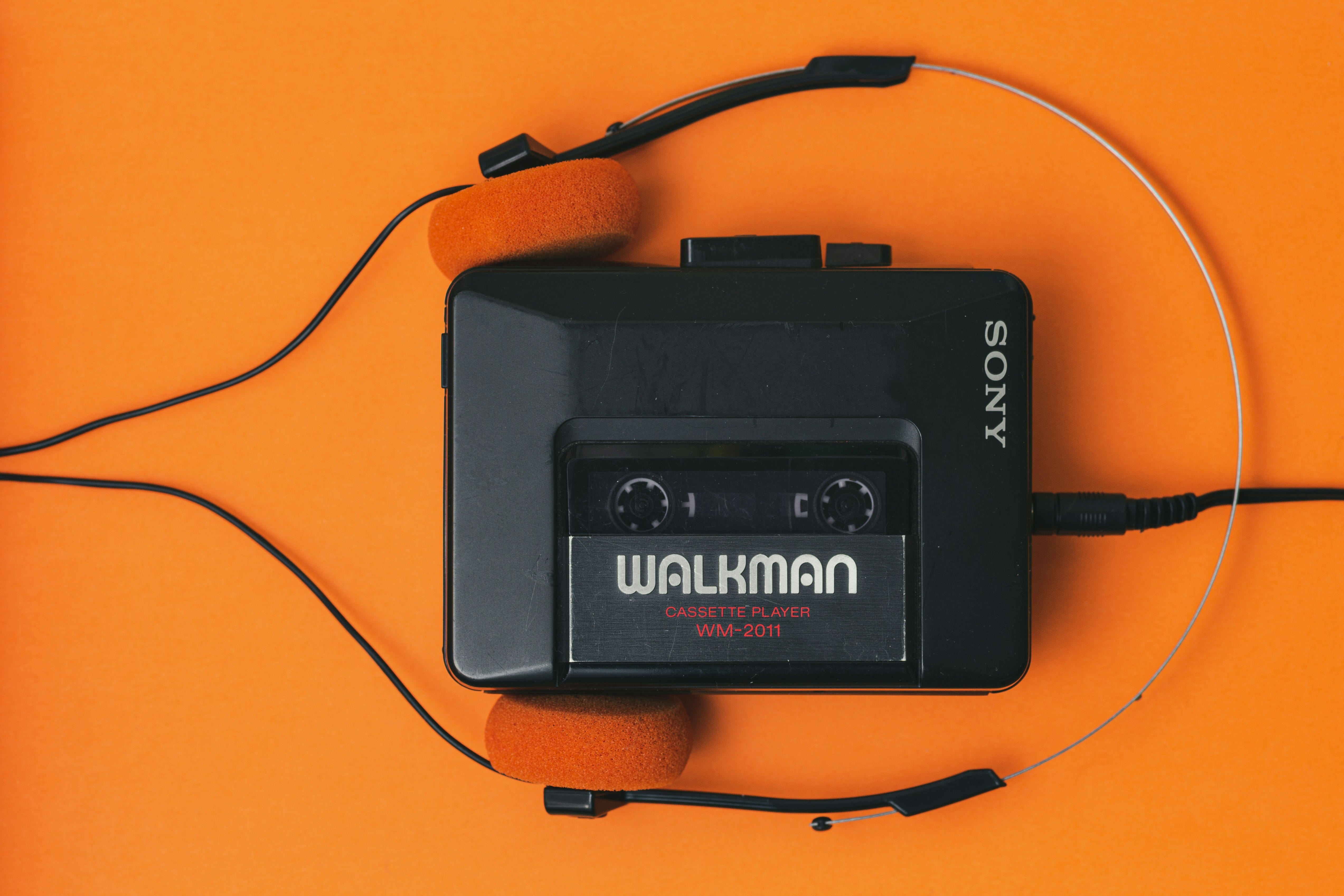
Photo by Florian Schmetz on Unsplash
As strange as it seems to me, there are still book purists out there who insist audiobooks aren’t “real” books. If you are not reading the words with your eyes (or fingers, in the case of Braille), it doesn’t count as reading. Streaming audiobooks exploded in popularity during the Covid pandemic and their share of the book market has continued to rise ever since. Audiobooks are now big money in publishing and if you don’t think they’re real books, here’s why you should reconsider.
Audiobooks are an accessibility issue. People with poor vision or dyslexia are just the tip of the iceberg. People who can’t afford to buy books and might not have transportation to a public library can borrow digital audiobooks from their home. While I find it difficult to listen to an audiobook without my mind wandering, other members of my family are the opposite. They’re much more likely to finish a book if it’s an audiobook.
One reason I think audiobooks can be more comfortable for people is that typically a person has higher receptive language skills than expressive ones, especially children and English language learners. Audiobooks make stories they can understand and enjoy available. The same is true for adults when it comes to literature with antiquated language—like the British lit paper at the high school where I work. Reading Dickens, Austen, and Hardy exposes students to a wide range of vocabulary words they haven’t encountered before. I often suggest they try listening to an audiobook where it’s easier to pick up on context clues, get plot hints from tone of voice, and recognize vocabulary words when the effort of decoding is taken away.
At a time where leisure reading is becoming endangered, audiobooks make reading possible in our over-scheduled modern life. Librarians reported adults listening to audiobooks during their commute, while exercising, or while engaged in a hobby (puzzles, coloring, crafting) constituted the majority of their audiobook circulation. Plus, they’re more portable on vacation. In urban areas, audiobooks can make up 90% of a library’s total adult circulation. If audiobooks don’t count, you’ve discarded the majority of urban adult library patrons.

For those of you thinking, Kelly, you’re preaching to the choir. I want more audiobooks in my life. Can you tell me why on earth my library has a nine month waiting list for an audiobook version of a novel when they have ten paper copies sitting on the shelf?
I hear you. Trust me, this is frustrating for librarians, too. We want you to have access to audiobooks. Unfortunately, this is a legal issue. Libraries can freely lend physical materials under something called the first-sale doctrine. The library purchased the item (book, DVD, electronic tablet) and as the owner, they can lend it to someone. Digital works, however, are not purchased. They are licensed. The library can’t purchase a license and then they access to the book forever. The license must be renewed for patrons to continue to have access to the book and they cost substantially more than the cost of the physical book. When I worked at a public library, the newest Stephen King novel cost more than $100 to license a single copy for a year. The Spokane Library has a more detailed explanation of how it all works.
I do have a few tips you can use to squeeze a little more access out of your Libby account.
Be a good digital patron. The line moves slowly when people check out books they don’t read and wait until they auto return at the end of the loan period. If you change your mind about a book, return it early.
Add multiple library cards. If you live in one city but work in another, you might be eligible for a library card from both libraries. If you work at a school, university, or hospital, you might be eligible for a library card from an associated library. Large urban libraries will often grant a library card to any state resident.
Use the “Available Now” feature to check for books with no wait. Some libraries offer “Quick Pick” or “Lucky Day” copies that can’t be reserved–you have to grab it if you see it.
If you want to give audiobooks a try (or another try), as someone who only occasionally listens to them, I’ve found the combination of reader and a high interest book is essential. This is obviously going to be a matter of personal taste, but here are four that I listened to in their entirety.
Eleanor Oliphant is Completely Fine by Gail Honeyman. I think this is the third time I’ve mentioned this book as a favorite. I first listened to it on audiobook where I loved the British and Scottish accents of the characters. There were some names I would have had no idea how to pronounce. It’s a make you laugh and cry kind of book.
Invisible Women by Caroline Criado Perez. I’m not sure enjoy is the correct word for my experience with this book. It was both infuriating and validating. If I’d seen the paper book, I probably would have been too intimidated by the size to read it. I mean, I like long stories. I’m not sold on long nonfiction. As is often the case with data-heavy nonfiction, the footnotes and citations added a lot length that is absent from the audiobook. I listened to only one chapter at a time both to keep my temper under control and because there was a lot to think about in each one.
A Deadly Education by Naomi Novik. I pitch this one to students as “Harry Potter, if Hogwarts tried to kill you.” El’s deadpan snark kept me turning pages. I enjoyed watching her soften millimeter by millimeter as she assembled an assortment of other magic students to save the school. It was laugh out loud funny (and I used to read the comics pages with a straight face back in the dark ages when newspapers were published on paper). My kids all loved it, too. I low-key want to read it again now.
Bird by Bird by Anne Lamott. This is a combo writing craft book and memoir that always appears on lists of books that writers must read. Anne reads the audio version of the book and her earnestness makes narrative even funnier. I don’t think you’d have to be a writer to enjoy it.
I wrote an essay against Audiobooks in 2024. I think putting our two essays together makes for an interesting debate! https://laurakbray.substack.com/p/im-not-listening